- Associated Links
-
-
Our united network of partners and institutions share a vision for excellence, innovation, and impact. Together, we harness our combined strengths to create meaningful change.
-
-
-
- Careers
-
-
Our people are our greatest asset. We foster a thriving environment where everyone can flourish and make a difference. Join us in driving innovation and positive change through fulfilling career opportunities.
-
-
Makerere Launches Sewankambo Program to Strengthen Africa’s Health Security
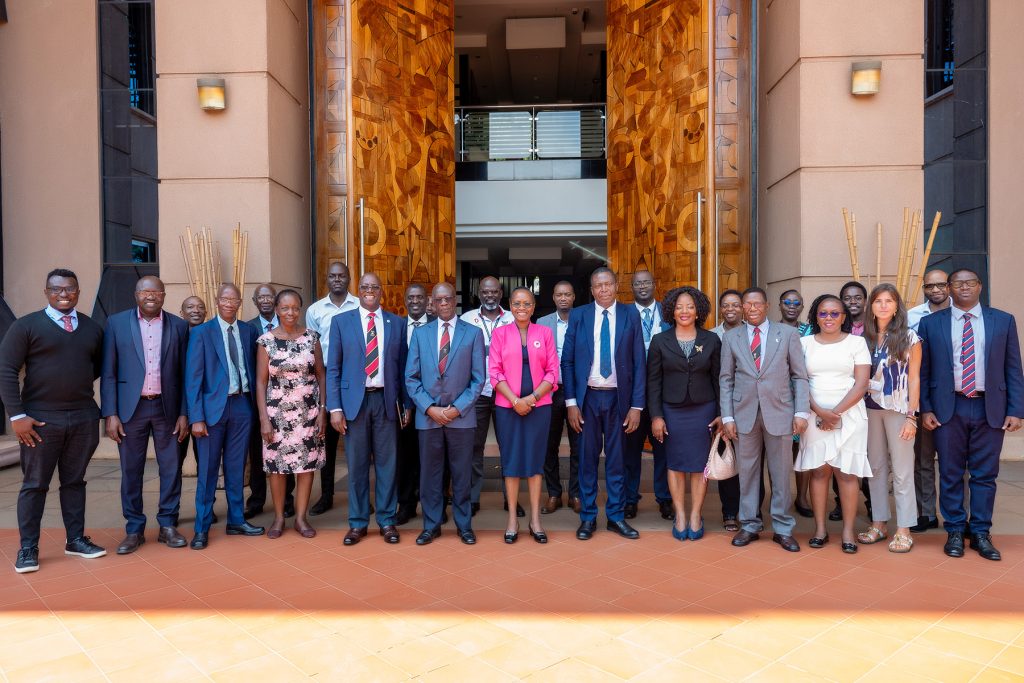
KAMPALA, Uganda — Makerere University’s Infectious Diseases Institute (IDI) has launched the Professor Sewankambo Training Programme for Global Health Security, a pioneering initiative aimed at strengthening Africa’s ability to prevent and respond to epidemics and public health emergencies.
The programme comes at a critical time, following a 63% rise in zoonotic outbreaks over the past decade, with Ebola and other viral haemorrhagic fevers accounting for nearly 70% of cases. Its aim is to train a new generation of researchers and practitioners—PhD fellows, master’s students, and advanced scholars—focusing on epidemic preparedness, outbreak response, and health systems resilience, in line with WHO guidelines and national health security strategies.
Speaking on behalf of Vice-Chancellor Prof. Barnabas Nawangwe, Prof. Sarah Ssali described the programme as “a pivotal step in Makerere’s mission to remain research-led while delivering transformative teaching and learning.” The initiative honours Prof. Nelson Sewankambo, whose visionary leadership in health education has shaped generations of African scientists.
IDI Executive Director Dr. Andrew Kambugu emphasised that the scholarship goes beyond tuition support, offering structured mentorship and integration into IDI’s global health security portfolio. This approach ensures fellows produce policy-relevant research and are prepared for emergency deployment.
The second cohort, comprising five fellows selected from over 100 applicants across 10 countries, will focus on strategic areas such as antimicrobial resistance, epidemic intelligence, infection prevention and control, vaccine equity, and planetary health. Their projects will utilise genomic surveillance and predictive analytics to enhance outbreak response.
Uganda’s Ministry of Health pledged its full support, with Dr. Charles Olaro reaffirming collaboration with Makerere University to enhance the health system’s ability to detect and respond to concurrent outbreaks.
Dr Richard Idro, Deputy Principal of Makerere University College of Health Sciences, underscored mentorship as a cornerstone of excellence, urging fellows to prioritise guiding the next generation of health researchers upon completing the program.
Expressing his gratitude, Prof. Nelson Sewankambo hailed the programme as “a bold decision in a shrinking funding landscape.” He added: “What we are witnessing today is not for the faint-hearted, especially at a time when financial sustainability is uncertain. Aim high.”